
Published March 10, 2026 · Last updated July 25, 2026
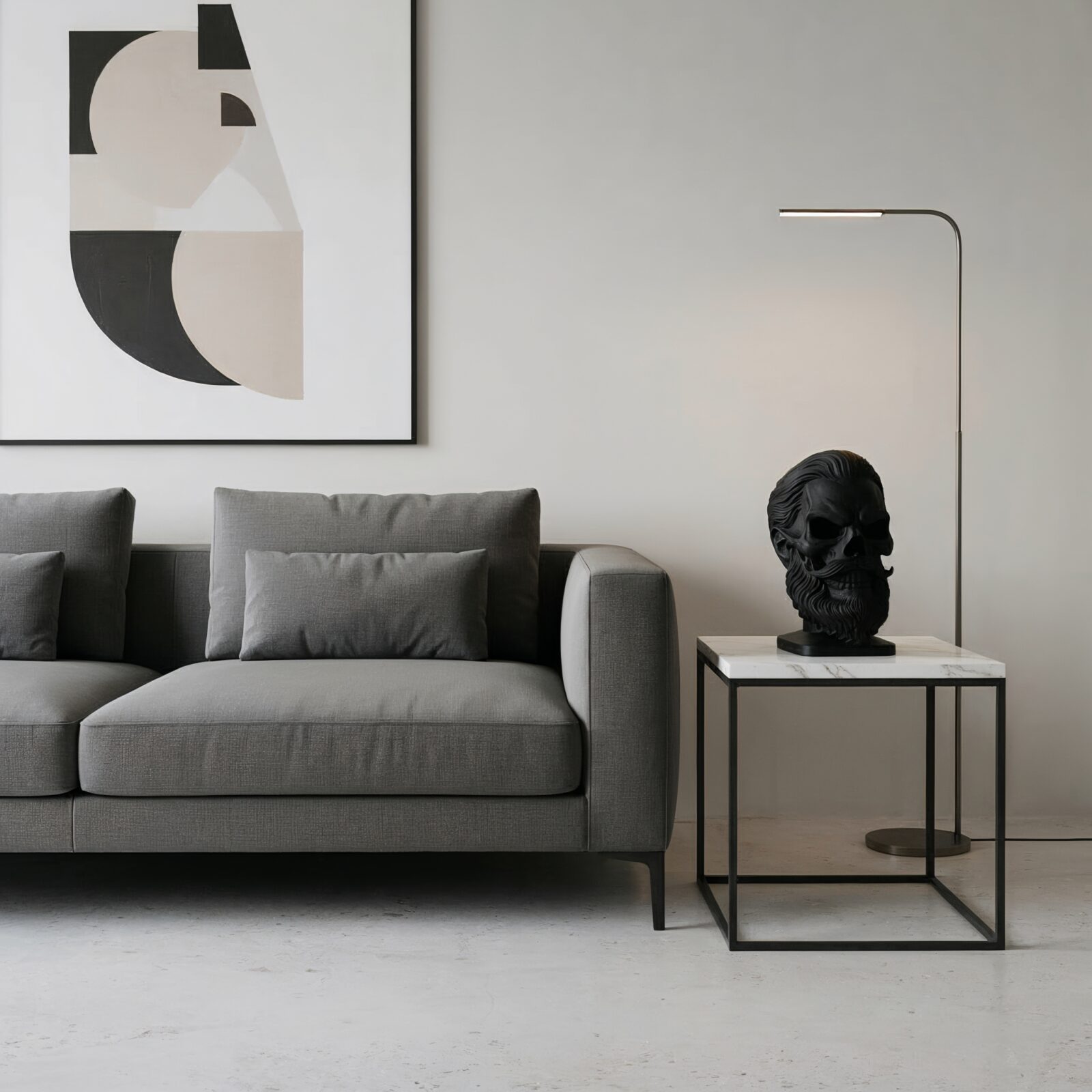
Interior design is often defined by the details. While furniture establishes the foundation of a room, decorative objects are what give a space personality and character.
Many mass-produced decor pieces look similar because they are manufactured in large quantities using traditional production methods. For homeowners who want something distinctive, finding truly unique home decor can make all the difference.
Today, modern designers are turning to new materials, digital design tools, and innovative manufacturing techniques to create decor pieces that feel more like functional art than traditional decorations.
Here are some inspiring ideas for unique decor that can transform any interior.
Why Unique Home Decor Is Becoming More Popular
Homeowners are moving away from the identical, mass-produced accessories that fill big-box stores. As more people work, host, and unwind at home, the objects on a shelf are being asked to do more than fill space — they are expected to say something about the person who chose them. That shift has pushed unique home decor from a niche interest into a mainstream design priority.
Part of the change is practical. Digital design tools and small-batch manufacturing have made it possible for independent studios to release original decorative objects without the enormous tooling costs that once forced everything toward mass production. The result is a wider range of genuinely distinctive pieces at accessible price points — sculptural vases, statement lighting, and collectible objects that would have been impossible to produce affordably a decade ago.
The other part is emotional. A room assembled entirely from catalog pieces tends to feel anonymous. A single original object — something a guest hasn’t seen in ten other homes — gives a space character and becomes a natural conversation starter. That desire for originality is exactly why unique decorative objects have become one of the fastest-growing categories in modern interior design.
Sculptural Table Lamps
Lighting can be both functional and artistic. Sculptural table lamps combine illumination with bold design, creating pieces that stand out even when the light is turned off.
Modern lighting designs often feature geometric patterns, flowing shapes, or layered structures that add visual interest to a room.
These types of lamps work well as statement pieces on side tables, desks, or nightstands.
Geometric Wall Art
Wall decor is one of the most effective ways to transform a room without changing furniture or layout.
Geometric wall art introduces structure, symmetry, and texture to interior spaces. Sculptural wall pieces can create depth and shadow, giving walls a dynamic appearance.
Modern designs often feature repeating patterns or layered forms that make them feel more architectural than traditional artwork.
Sculptural Decorative Vases
Decorative vases are timeless interior design elements. However, modern sculptural vases go beyond simple shapes by incorporating artistic forms and textured surfaces.
Placed on shelves, dining tables, or console tables, these pieces can function as both containers for flowers and standalone decorative objects.
Abstract Decorative Objects
Abstract sculptures and decorative objects can instantly add personality to a room.
These pieces are often used by interior designers to create visual interest on shelves, coffee tables, or entryway consoles.
Because they are not tied to a specific function, abstract decor objects provide creative freedom and artistic expression within a space.
Modern Lighting Designs
Lighting plays a key role in shaping the atmosphere of a room. Unique lighting fixtures can create mood, highlight architectural features, and introduce artistic design elements.
Many modern lighting designs combine sculptural shapes with innovative materials to produce striking visual effects.
3D Printed Decor
One of the newest trends in modern interior design is 3D printed home decor.
Using advanced additive manufacturing technology, designers can create intricate patterns, geometric structures, and flowing shapes that are difficult to produce using traditional manufacturing methods.
This allows decorative objects to become more artistic and sculptural while maintaining practical functionality.
If you want to explore how this technology is influencing modern interiors, visit our guide to
Functional Art vs. Traditional Decor
Not all decorative objects serve the same purpose. Traditional decor is chosen almost entirely for how it looks. Functional art asks a second question: what else can this object do? A sculptural box that also conceals storage, or a lighting piece that doubles as a standalone sculpture, earns its place on a shelf twice over — once as an object of beauty and once as something genuinely useful.
This distinction matters when you are deciding where to invest. Purely decorative pieces are wonderful for adding color and texture, but functional art tends to hold its value and its interest longer because it stays in daily use. The table below breaks down the difference.
| Traditional Decor | Functional Art |
|---|---|
| Chosen for appearance only | Combines beauty with a practical use |
| Sits on display, untouched | Handled and used in daily life |
| Interest can fade with trends | Stays relevant because it stays useful |
| Often mass-produced | Usually small-batch or made to order |
| Decorative value | Decorative + everyday value |
Small-Batch Design vs. Mass Production
The way an object is made shapes almost everything about it — its originality, its quality, and how many other homes have the exact same piece. Mass production is built around volume and low unit cost, which is why so many mass-market accessories look alike. Small-batch design works the opposite way: limited runs, closer attention to finish, and the freedom to explore forms that would never survive a factory line.
This is where modern digital manufacturing has changed the picture. Techniques like precision 3D printing let designers produce intricate, sculptural pieces in small quantities with consistent quality. If you want to understand how that technology translates into finished decorative objects, our guide to 3D printed home decor walks through the process in detail.
| Mass-Produced Decor | Small-Batch Designer Decor |
|---|---|
| Made in large, identical runs | Produced in limited batches |
| Widely available everywhere | Limited production, harder to find |
| Generic, familiar forms | Original, distinctive forms |
| Trend-based and quickly replaced | Collectible and worth keeping |
| A commodity | A conversation piece |
Featured Modern Designs
At Plastika3D, we create decorative pieces using precision 3D printing technology to produce modern objects that combine art, design, and manufacturing innovation.
Some popular pieces include:
Aliena Table Lamp
A geometric lighting design that creates beautiful light patterns while acting as a sculptural centerpiece.
La Forma Table Lamp
A minimalist lamp with flowing lines that complements contemporary interiors.
Chain Wall Art Links
A modern wall sculpture designed to add structure and depth to interior spaces.
These pieces are designed to fit modern homes while showcasing the creative potential of digital manufacturing.
How Digital Manufacturing Enables Designer-Quality Decor
Behind every distinctive decorative object is a set of decisions about material, form, and finish. Digital manufacturing gives designers unusually fine control over all three. A shape can be refined in software down to the millimeter before anything is ever produced, which means complex geometry — lattices, flowing curves, layered structures — can be realized accurately and repeatably.
Material choice is just as important as form. Different polymers and finishes change how a piece feels in the hand, how it catches light, and how it holds up over years of display and handling. A matte surface reads as quiet and architectural; a textured surface adds depth and shadow. Choosing the right material for the object’s purpose is part of what separates considered design from disposable decor.
The practical payoff for homeowners is access. Digital production lowers the barrier that once kept designer-quality, limited-run objects out of reach, so an original sculptural piece no longer requires a gallery budget. It is the same shift that has made functional art and collectible home objects far more attainable than they were even a few years ago. To see how these pieces are made, explore our overview of how 3D printed decor is made.
Decorating with Statement and Sculptural Pieces
A statement piece works best when the room gives it room to breathe. Rather than scattering many small objects, choose one sculptural item as the focal point of a shelf, console, or coffee table and let the surrounding space stay relatively simple. The contrast is what makes the piece read as intentional rather than cluttered.
A few principles help unique objects feel styled rather than random. Vary height and scale so the eye moves naturally across a grouping. Repeat a material or tone elsewhere in the room so the piece feels connected to the space. And leave negative space around anything sculptural — a striking object surrounded by clutter loses its impact. Used this way, a single well-chosen decorative object can anchor an entire room the way a piece of art anchors a wall.
As original, small-batch design has become more accessible, many independent studios have started creating collectible home objects that blur the line between sculpture and everyday function. Instead of treating decorative objects as disposable accessories, these makers design pieces meant to be lived with, displayed, and kept for years.
Plastika3D approaches this from the manufacturing side, exploring digital design, materials, and modern fabrication. Many of those same ideas eventually evolved into Haus Stash, a separate consumer brand created by the same studio that turns these design principles into finished, collectible home objects for modern interiors.
From Concept to Collectible
Discover Modern Designer Home Decor
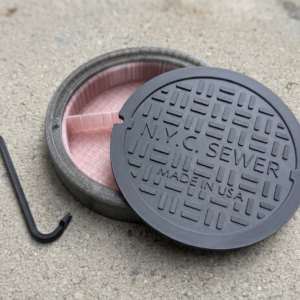
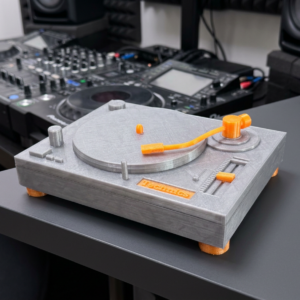
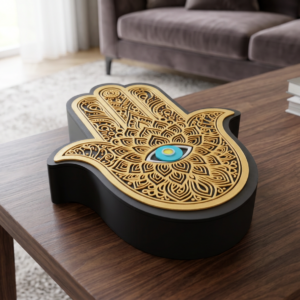
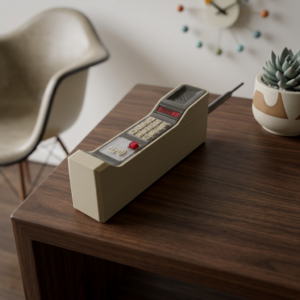
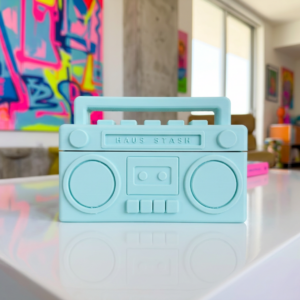
Many of the design ideas explored in this article — sculptural form, functional art, small-batch originality — eventually inspired the launch of Haus Stash, a separate collection of modern sculptural home objects designed to be displayed, enjoyed, and collected.
Unlike mass-produced decor, each Haus Stash object pairs a quiet exterior with an unexpected interior — collectible pieces that combine everyday utility with artistic expression.

Why Unique Decor Matters in Interior Design
Unique decor helps create spaces that feel personal and distinctive. Instead of relying entirely on mass-produced products, incorporating artistic or unconventional design pieces can bring individuality to a home.
Interior designers often use statement decor to create focal points within a room. A single sculptural lamp or striking wall piece can anchor the entire design of a space.
By mixing modern design, artistic elements, and innovative manufacturing techniques, homeowners can create interiors that feel both contemporary and original.
The Future of Modern Home Decor
As digital design tools and new manufacturing technologies continue to evolve, the possibilities for interior decor will expand even further.
Designers are already exploring new ways to combine technology, sustainability, and artistic expression to create decorative objects that redefine how we think about home design.
From sculptural lighting to geometric wall art and digitally designed decorative objects, the future of home decor will likely continue moving toward more personalized and creative design solutions.
Continue Reading
- The Complete Guide to 3D Printed Home Decor
- What Is 3D Printed Home Decor?
- How 3D Printing Is Changing Interior Design
- Modern Lighting Trends Designers Are Watching in 2026
- 5 Reasons Designers Love 3D Printed Wall Art
Frequently Asked Questions
What makes home decor unique?
Unique home decor is defined by originality of design and limited availability. Instead of mass-produced pieces sold in thousands of identical copies, unique decor is typically small-batch or made to order, often featuring sculptural forms or artistic details you won’t find in big-box stores.
Where can I buy unique home decor?
The most distinctive pieces usually come from independent design studios and small-batch makers rather than large retailers. Studios that use digital manufacturing, like Plastika3D, and collectible-object brands like Haus Stash, are good places to find original decorative objects.
What are decorative objects?
Decorative objects are non-furniture items chosen primarily to add character to a space — vases, sculptures, statement lighting, and sculptural storage. They give a room personality and often serve as focal points on shelves, consoles, and tables.
What is functional art?
Functional art is a decorative object that also serves a practical purpose — for example a sculptural box that conceals storage, or a lighting piece that doubles as a standalone sculpture. It combines the beauty of art with everyday usefulness.
Is 3D printed home decor durable?
Yes. When produced with quality materials and proper settings, 3D printed decor is durable enough for everyday display and handling. Material choice matters: different polymers and finishes affect strength, texture, and how a piece ages over time.
How do you decorate with statement pieces?
Give a statement piece room to breathe. Use one sculptural object as the focal point of a surface, keep the surrounding area relatively simple, vary height and scale in groupings, and repeat a material or tone elsewhere in the room so the piece feels connected to the space.
What are designer home accessories?
Designer home accessories are decorative pieces created by studios or independent designers with a focus on original form, material quality, and limited production — as opposed to generic, mass-market accessories. They are often collectible and hold their interest longer.
Why are collectible home objects becoming popular?
As people spend more time living, working, and hosting at home, they increasingly want objects that feel personal rather than generic. Collectible home objects answer that desire in several ways. They offer uniqueness, since small-batch and made-to-order production means far fewer identical copies exist. They invite emotional attachment, because a piece chosen for its design and story tends to be valued far longer than a disposable accessory. And they reflect a broader shift toward quality over quantity, where a few considered pieces are preferred over shelves of mass-produced filler. Many collectible objects also double as functional art, combining everyday utility with sculptural presence, which keeps them in daily use and on display rather than tucked away. Set against modern interior design trends that favor originality, texture, and intentional styling, it is easy to see why homeowners and designers alike increasingly treat decorative objects as lasting investments in the character of a space.
About Plastika3D
Plastika3D is a Miami-based design and additive manufacturing studio specializing in modern decorative objects, digital fabrication, product development, and limited-production interior design pieces. The studio’s work spans product design, material selection, small-batch manufacturing, and decorative styling — the same disciplines explored throughout this article. Through original design work and educational writing, Plastika3D examines how digital manufacturing is shaping the future of home decor. Learn more about the studio at plastika3d.com.