
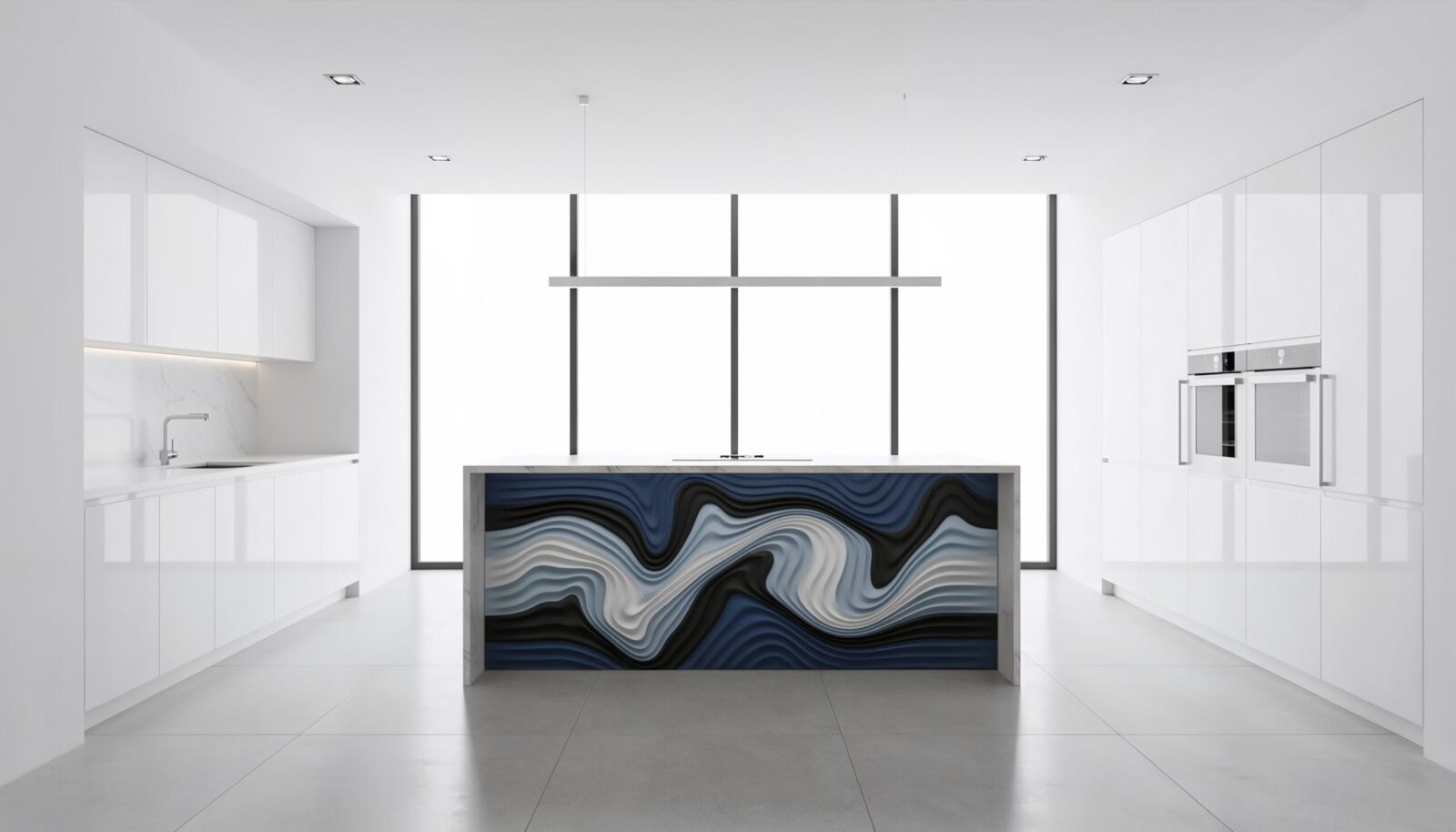
Interior design has always evolved alongside advances in materials and manufacturing. From handcrafted furniture to mass production, each technological shift has introduced new ways for designers to shape the spaces we live and work in.
Today, one of the most exciting innovations influencing modern interiors is 3D printing. This technology allows designers to create decorative objects and functional pieces using digital designs that are produced layer by layer.
The result is a new generation of interior design elements that combine modern aesthetics, customization, and advanced manufacturing techniques.
From sculptural lighting to geometric wall art, 3D printed home decor is rapidly becoming a defining feature of contemporary spaces.
What Makes 3D Printing Different
Traditional manufacturing often relies on molds, carving, or subtractive machining processes. These techniques can limit the complexity of designs and often require expensive tooling.
3D printing works differently.
Objects are created by building material layer by layer from a digital model. This process allows designers to produce intricate structures that would be extremely difficult or impossible to manufacture using traditional methods.
Because designs begin digitally, creators can experiment with:
• complex geometric structures
• parametric patterns
• sculptural textures
• lightweight yet durable forms
• custom color variations
This flexibility is one of the main reasons 3D printing is becoming increasingly important in interior design.
The Rise of 3D Printed Home Decor
Decorative objects are one of the most popular applications of 3D printing in interior design. Designers are using this technology to create unique pieces that blend art, technology, and modern aesthetics.
Common examples include:
• decorative vases
• abstract decorative objects
• architectural lighting pieces
These objects often feature modern forms and intricate surface patterns that add visual interest to a room.
If you want to explore this design movement further, visit our guide to:
Why Designers Are Embracing 3D Printing
Creative Freedom
3D printing gives designers far more freedom than traditional manufacturing methods. Instead of working within the limitations of molds or machining tools, creators can design structures digitally and produce them exactly as intended.
This opens the door to highly creative decorative pieces that combine sculpture with functionality.
Customization
Modern homeowners increasingly want decor that reflects their personal style. Because 3D printed objects are produced digitally, they can often be printed in a variety of colors and finishes.
This allows decorative pieces to match specific interior design palettes.
Sustainable Production
Another advantage of 3D printing is the reduction of material waste. Traditional manufacturing often removes excess material during machining.
Additive manufacturing only uses the material needed to build the object.
Many decorative objects are also printed using PLA, a biodegradable material derived from renewable resources such as corn starch.
Examples of 3D Printing in Modern Interiors
Interior designers are already incorporating 3D printed pieces into residential and commercial spaces.
Common uses include:
• sculptural lighting on side tables
• decorative vases on shelves or dining tables
• statement wall art in entryways
• modern accent decor in offices or studios
Because these pieces often feature bold geometric forms or flowing shapes, they naturally draw attention and become focal points within a room.
Featured Modern 3D Printed Designs
At Plastika3D, we create decorative objects using advanced 3D printing technology to produce modern pieces that combine artistic design with practical function.
Popular designs include:
Aliena Table Lamp
A geometric lighting design that creates striking light patterns while adding a sculptural presence to a room.
A minimalist lamp featuring smooth flowing lines that complement contemporary interiors.
A modern wall sculpture that introduces depth and geometric structure to interior spaces.
Each design is produced using precision 3D printing and can often be created in multiple color options to match modern interiors.
The Future of Interior Design
As 3D printing technology continues to evolve, designers are discovering new ways to integrate digital manufacturing into interior spaces.
Future applications may include:
• custom furniture
• parametric architectural elements
• personalized decor objects
• on-demand production of interior design pieces
These innovations have the potential to reshape how decorative objects are designed, manufactured, and distributed.
For homeowners and designers who want decor that feels both modern and unique, 3D printed design represents an exciting new frontier in interior design.
Explore Modern 3D Printed Decor
If you’re interested in discovering how digital manufacturing is shaping modern interiors, explore the world of 3D printed home decor.
From sculptural lamps to geometric wall art and decorative vases, these designs combine advanced technology with artistic creativity to create truly distinctive interior pieces.